 |
||
 |
|
|

Towards A New Dada: Experimental Theatre In 'The Shakespeare Mashup' Comedy Play
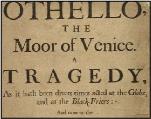
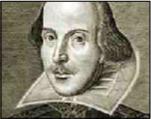
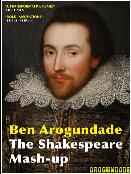
EXPERIMENTAL SHAKESPEARE: In the centuries since the publication of William Shakespeare's First Folio (above), there have been countless adaptations of his classic plays. Author Ben Arogundade brings a fresh twist to proceedings with an original literary mashup of the plays Othello and Romeo and Juliet, creating a new comedy from fragments of the Bard's text.
1,000
The number of people worldwide who Google the phrase “Experimental theatre” each month.
246,000
The number of people worldwide who Google the word “Mashup” each month.
WHAT HAPPENS WHEN TWO OF SHAKESPEARE'S most famous theatre plays are remixed and fused into a single new experimental work? The Shakespeare Mashup is the startling result. By Ben Arogundade.

MASHUPS ARE BEST known within popular music. They describe a new song which is created by remixing elements from two or more different tracks to form a new transformative composition, distinct from the original. Literature has traditionally offered up its own variation of this experimental approach, called cut-ups, in which an existing text is split into component pieces, which are then reassembled or rewritten, usually out of sequence. These have existed since the 1920s, when members of the Swiss anti-establishment Dada movement attacked the traditions of the linear narrative by randomly juxtaposing pieces of text together to create experimental, absurdist poems.
The technique was later appropriated by musicians, artists and writers, from William Burroughs to David Bowie. In 2009 author Seth Grahame-Smith created a new fiction genre by grafting his own zombie action plot onto Jane Austen’s revered text for Pride and Prejudice, creating a scary new hybrid, Pride and Prejudice and Zombies.
The Shakespeare Mash-up pushes the genre into new territory. Author Ben Arogundade has selected two of William Shakespeare’s classic theatre plays – Othello and Romeo & Juliet – and created a literary mashup by re-ordering selected sequences of dialogue from the main characters, with no other elements added or altered. In the finished work none of the selected lines run in the same order as in the original plays. The result is an experimental new comedy play which reads like Shakespeare wrote it himself. Unlike the Dadaism of old, the objective was not to destroy a linear narrative, but to create a new one from the deconstructed components.
THE SHAKESPEARE MASHUP by Ben Arogundade is out now.










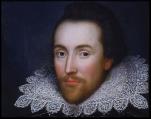

Laurence Olivier Played Othello In Blackface During Civil Rights. What Was He Thinking?
How Did William Shakespeare Die? The Five Theories.
The 18 Most Memorable Othello Performances Of All Time.
Is Iago Gay In 'Othello'? Is His Evil Driven By Sexual Jealousy?
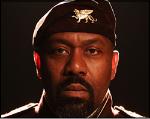
THIS MONTH'S PICK
MOST VIEWED SECTIONS




NEXT: WILLIAM SHAKESPEARE - 5 WAYS TO DIE

NEXT: MORE WILLIAM SHAKESPEARE
ABOUT BEN AROGUNDADE

THE CULTURE OF SHAKESPEARE

HOME—ABOUT— EBOOKS—CONTACT